
 Business License

Common Maintenance Tips for Ensuring Longevity of a 4 Inch Stainless Steel Pipe
Stainless steel pipes are fundamental components in countless industrial, commercial, and residential applications. Their strength, corrosion resistance, and longevity make them a preferred choice for everything from plumbing systems to complex manufacturing processes. Among the various sizes, the 4-inch stainless steel pipe is particularly common, offering a balance of flow capacity and structural integrity.
This guide provides a comprehensive overview of 4-inch stainless steel pipes. We will explore their properties, specifications, and essential maintenance practices to ensure their long-term performance. Understanding these details will help you select the right product for your needs and maximize its service life.
Understanding Stainless Steel Pipes
What is Stainless Steel?
Stainless steel is an iron-based alloy containing a minimum of 10.5% chromium. This chromium content is crucial; it reacts with oxygen to form a thin, invisible, and corrosion-resistant layer on the steel's surface called the "passive layer." If this layer is damaged mechanically or chemically, it can self-heal as long as there is oxygen present. This self-repairing characteristic is what gives stainless steel its remarkable resistance to rust and corrosion.
In addition to chromium, other elements are added to enhance specific properties:
Nickel: Improves formability, weldability, and toughness.
Molybdenum: Increases resistance to pitting and crevice corrosion, especially in chloride-rich environments.
Manganese: Enhances strength and hardness.
Benefits of Using Stainless Steel Pipes
The advantages of using stainless steel pipes are numerous, making them a cost-effective solution for long-term applications.
Corrosion Resistance: Their primary benefit is exceptional resistance to rust and various chemical agents, ensuring a long and reliable service life.
Durability and Strength: Stainless steel pipes have a high tensile strength and can withstand high pressures and extreme temperatures without deforming.
Hygienic Properties: The non-porous surface of stainless steel is easy to clean and sanitize, which is why it's a standard material in food processing, beverage, and pharmaceutical industries.
Longevity: With proper maintenance, stainless steel pipes can last for decades, reducing the need for frequent replacements and lowering life-cycle costs.
Aesthetic Appeal: The clean, modern look of stainless steel is often desirable for architectural and visible applications.
Recyclability: Stainless steel is 100% recyclable, making it an environmentally friendly choice.
Different Types of Stainless Steel: 304 vs. 316
When selecting a 4-inch stainless steel pipe, you will often encounter two primary grades: 304 and 316.
Type 304: This is the most widely used stainless steel grade. It typically contains 18% chromium and 8% nickel. Type 304 offers excellent corrosion resistance in a wide range of atmospheric environments and chemical processes. It is ideal for applications like water treatment, food processing, and residential plumbing.
Type 316: Often called "marine grade," Type 316 contains the same chromium and nickel content as 304 but with the addition of 2-3% molybdenum. This molybdenum content significantly enhances its resistance to corrosion from chlorides, such as seawater and de-icing salts. It is the preferred choice for marine applications, chemical processing plants, and medical equipment.
While Type 316 offers superior corrosion resistance, it is also more expensive. The choice between 304 and 316 depends on the specific environmental conditions and the chemical composition of the fluids the pipe will carry.
Key Specifications of 4 Inch Stainless Steel Pipes
Dimensions and Schedules Explained
Pipes are identified by their nominal pipe size (NPS) and schedule (SCH).
Nominal Pipe Size (NPS): A 4-inch pipe has an NPS of 4. This is a North American standard set of sizes for pipes used for high or low pressures and temperatures.
Schedule (SCH): The schedule number indicates the wall thickness of the pipe. For a given NPS, a higher schedule number means a thicker wall. Common schedules for a 4-inch stainless steel pipe are Schedule 40 (SCH 40) and Schedule 80 (SCH 80). SCH 80 has a thicker wall than SCH 40, allowing it to handle higher internal pressures.
Understanding Wall Thickness and OD/ID Measurements
The schedule number directly relates to the pipe's wall thickness, which in turn affects its inner and outer diameters.
Outside Diameter (OD): For a given NPS, the outside diameter is fixed. A 4-inch stainless steel pipe always has an OD of 4.5 inches (114.3 mm), regardless of its schedule.
Inside Diameter (ID): The inside diameter varies with the wall thickness. Because an SCH 80 pipe has a thicker wall than an SCH 40 pipe, its ID will be smaller.
SCH 40 (4-inch): Wall thickness of 0.237 inches; ID of approximately 4.026 inches.
SCH 80 (4-inch): Wall thickness of 0.337 inches; ID of approximately 3.826 inches.
ASTM and ASME Standards for Stainless Steel Pipes
Industry standards are critical for ensuring the quality and safety of piping systems. The two most important organizations are:
ASTM International (American Society for Testing and Materials): ASTM sets technical standards for materials, products, systems, and services. Key standards for stainless steel pipes include ASTM A312 (for seamless, welded, and heavily cold-worked austenitic stainless steel pipes) and ASTM A358 (for electric-fusion-welded pipes).
ASME (American Society of Mechanical Engineers): ASME develops standards for mechanical devices. The ASME B36.10 and B36.19 standards define the standard dimensions for steel pipes, including stainless steel. Compliance with these standards guarantees that the pipe you purchase will meet specific dimensional and material property requirements.
Common Maintenance Tips for Ensuring Longevity
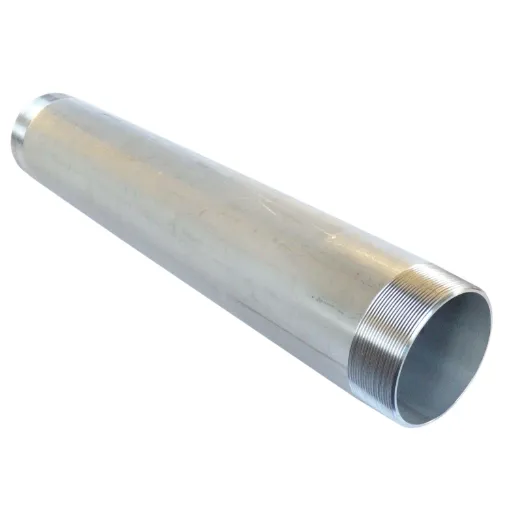
Regular Inspections and Cleaning
Routine checks are the first line of defense against potential problems.
Visual Inspections: Regularly inspect the exterior of the pipes for any signs of leaks, discoloration, surface damage, or corrosion. Pay close attention to joints, welds, and fittings, as these are common failure points.
Cleaning: Keeping the pipes clean is essential, especially the exterior. Dirt, grime, and other deposits can trap moisture and corrosive agents, leading to localized corrosion. Use a mild detergent and water, and always rinse thoroughly. Avoid using steel wool or carbon steel brushes, as they can leave behind particles that cause rust.
Identifying Signs of Wear and Corrosion
Early detection of corrosion can prevent catastrophic failures. The main types of corrosion to watch for in stainless steel are:
Pitting Corrosion: This appears as small holes or "pits" on the surface. It is often caused by exposure to chlorides and can quickly penetrate the pipe wall.
Crevice Corrosion: This occurs in tight spaces, such as under gaskets or bolt heads, where stagnant solutions can accumulate.
Stress Corrosion Cracking (SCC): This is the cracking caused by the combined effect of tensile stress and a corrosive environment. It is often invisible to the naked eye until it leads to failure.
Effective Welding and Repair Methods
When repairs are necessary, proper welding techniques are crucial to maintain the integrity of the stainless steel.
Use the Right Filler Metal: The filler metal used for welding should be compatible with the base metal (e.g., use 308L filler for 304 pipe and 316L for 316 pipe).
Prevent Contamination: The weld area must be thoroughly cleaned to remove any dirt, oil, or moisture. Contamination can compromise the weld's strength and corrosion resistance.
Post-Weld Cleaning: After welding, it's essential to remove any heat tint (discoloration) and spatter. This can be done through pickling (using an acid solution) and passivation to restore the passive layer.
Choosing the Right Product for Your Needs
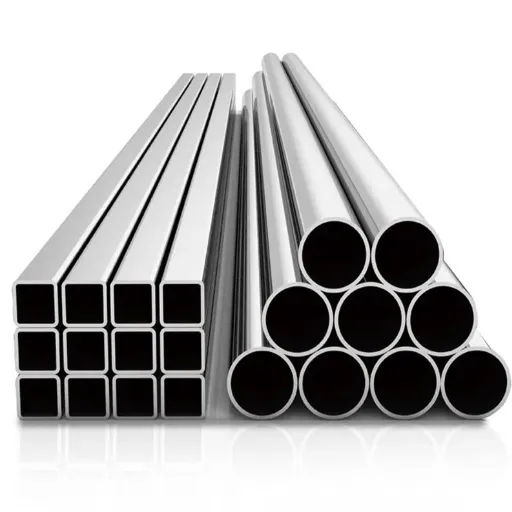
Where to Buy Quality Stainless Steel Pipes
Always purchase from reputable suppliers who can provide mill test reports (MTRs) and documentation certifying compliance with ASTM/ASME standards. A reliable supplier will stand by their product quality and offer technical support. Some factors to consider when choosing a supplier include:
Product variety and availability
Quality control processes
Industry certifications (e.g., ISO 9001, NACE)
Customer reviews and ratings
Comparative Pricing: Schedule 40 vs. Schedule 80
Schedule 40: SCH 40 pipes are less expensive due to their thinner walls. They are suitable for many low-to-medium pressure applications.
Schedule 80: SCH 80 pipes are more expensive but are necessary for high-pressure systems or where greater structural rigidity is required. The higher material cost is justified by the enhanced safety and performance in demanding environments.
Recently Posted
-
How High Quality Seamless Rectangular Steel Pipe Enhances Structural Durability and Strength
December 18, 2025In the realm of structural engineering and industrial manufacturing, material selection dictates the longevity, safety, and effici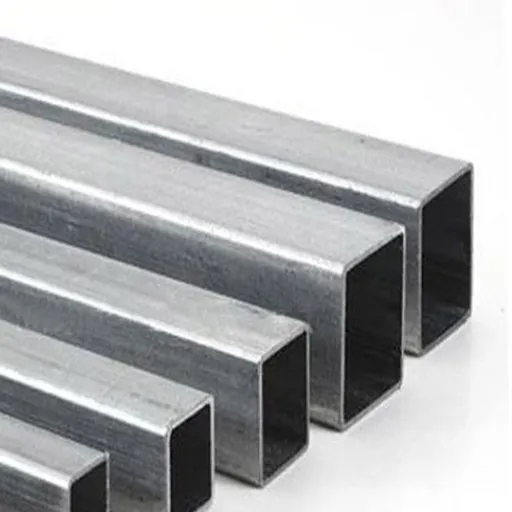 Read More
 -
Advantages of Using High Quality Seamless Rectangular Steel Pipe in Structural Projects
December 17, 2025In modern engineering and construction, the choice of materials dictates the longevity, safety, and efficiency of a project. Among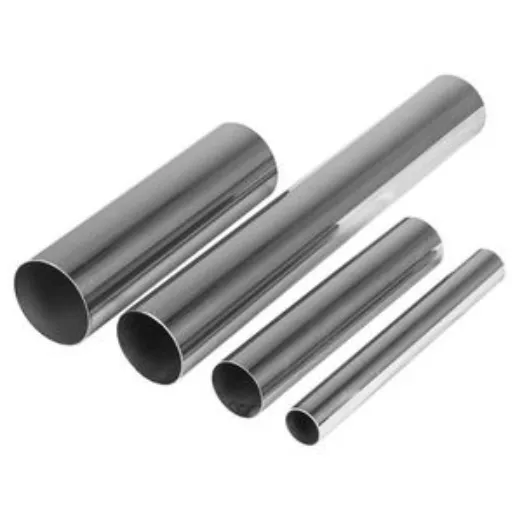 Read More
 -
Key Features of the Best Seamless Square Steel Pipe for Durability and Strength
December 16, 2025In structural engineering, heavy manufacturing, and critical infrastructure, the integrity of materials is non-negotiable. Among t Read More
 -
How New Welded Round Steel Pipe Revolutionizes Piping Systems Across Industries
December 15, 2025The integrity of industrial infrastructure relies heavily on the quality of its foundational components. From high-rise constructi Read More

Contact Us
Recommended Products
-
 China Supplier QSTE600TM Welded Square Pipe Round Cold Bending Carbon Steel TubeNegotiableMOQ: 1 Ton
 -
Buy Discount Carbon Steel Rectangular Tubing Cold Drawn Rectangular Seamless TubesNegotiableMOQ: 1 Ton
-
Agricultural Machinery Square Steel Tube Hollow Seamless Pipe Made in ChinaNegotiableMOQ: 1 Ton
-
Low Price Steel Pipes Welded Square Tube Square Hollow Cold Bending China SupplierNegotiableMOQ: 1 Ton
-
Post Weld Heat Treatment Special Shape Steel Pipe Cold Drawn Welded Seamless TubeNegotiableMOQ: 1 Ton
-
Mild Steel Welded Square Tube Mild Carbon Welded Customized Round Welded TubesNegotiableMOQ: 1 Ton
-
China Factory Supply QSTE500TM Welded Square Pipe Seamless Rectangular TubesNegotiableMOQ: 1 Ton
-
China Supplier QSTE700TM Welded Square Pipe Round Cold Bending Carbon Steel TubeNegotiableMOQ: 1 Ton
-
1.5*1.5 Inch CHS SHS RHS Hollow Section Pre Galvanized Square GI Tube Rectangular Steel GI Round PipesNegotiableMOQ: 1 Ton
-
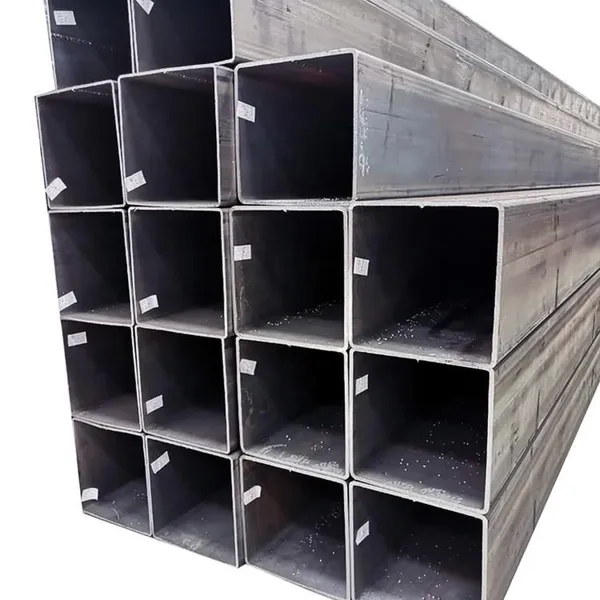
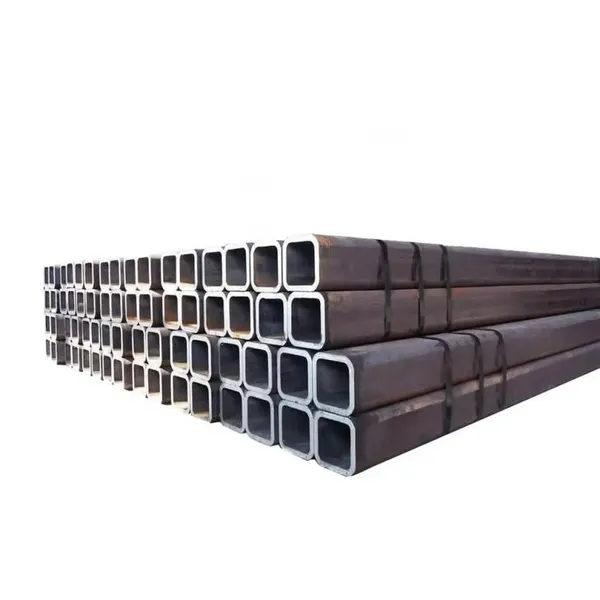
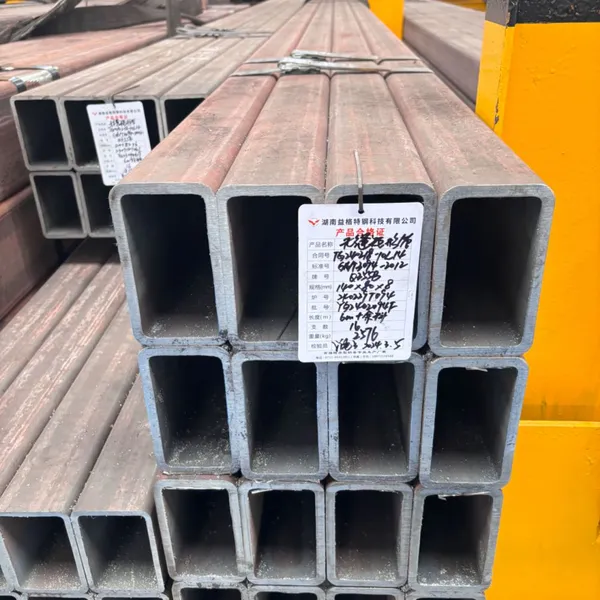
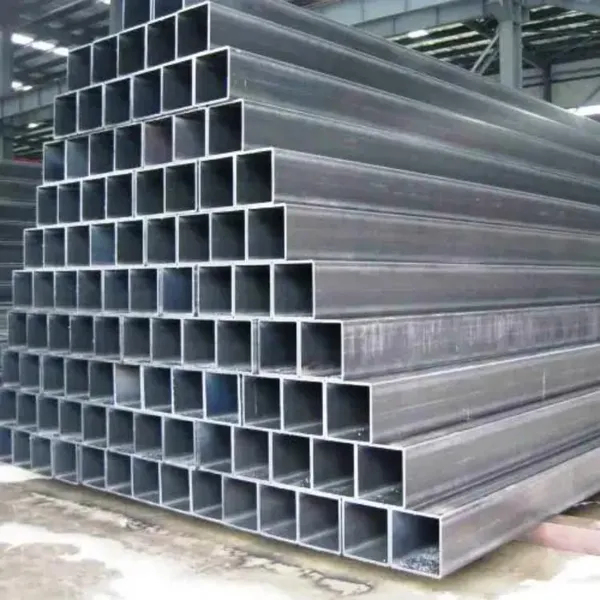
Welded Square Steel Tube Cold Bending Seamless Steel Round Pipe Free SampleNegotiableMOQ: 1 Ton
-
Hot Sale Free Mold Customized Size Square Tube Hollow Section Welded Steel PipeNegotiableMOQ: 1 Ton
-
Hollow Section SCH80 Square Steel Pipe Seamless Rectangular Steel Pipes From ChinaNegotiableMOQ: 1 Ton
-
Agricultural Machinery Cab Structural Tube Steel PipeNegotiableMOQ: 1 Ton
-
High Performance Seamless Curved Steel Pipe With Mill Test ReportNegotiableMOQ: 1 Ton
-
High Strength Seamless Carbon Steel Pipe With Mill Test CertificateNegotiableMOQ: 1 Ton
-
ASTM A500 Grade B/C Black Annealed Welded Carbon Steel Tube - Round Square Rectangle for ScaffoldingNegotiableMOQ: 1 Ton
-
Stainless Steel Handrail Tube - Custom 202/304/316 Welded Round Pipe for BalustradesNegotiableMOQ: 1 Ton
-
20mm Diameter Stainless Steel Pipe - Custom 201/304/316 Welded/Seamless Round TubeNegotiableMOQ: 1 Ton
-
316/316L Stainless Steel Pipe - Custom Welded/Seamless Round Tube for Hydraulic SystemsNegotiableMOQ: 1 Ton
-
Custom Stainless Steel Decorative Tube - 304/316L Mirror Brushed No.4/8K Round Square Rectangular for RailingsNegotiableMOQ: 1 Ton