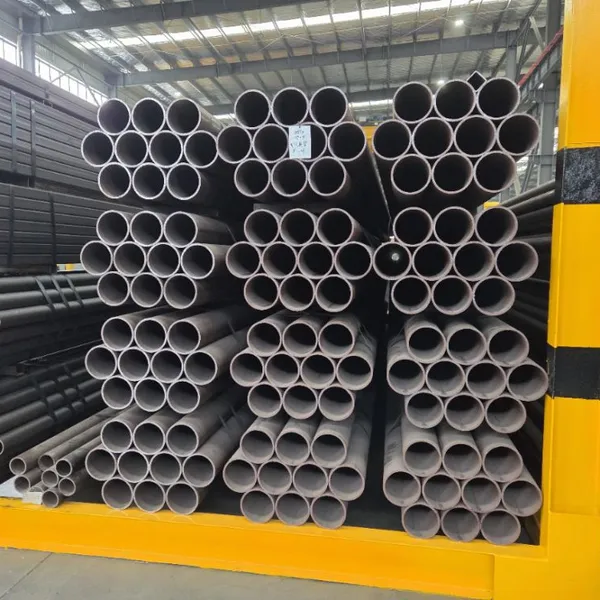

 Business License

Exploring the Benefits of Steel Black Pipe in Construction and Industrial Applications
Steel black pipe is a fundamental component in modern construction and industrial projects. Its strength, durability, and cost-effectiveness make it a preferred material for a wide range of applications, from transporting gas and water to providing structural support. This guide explores the essential characteristics of steel black pipe, its various applications, and how it compares to other materials in the market.
Understanding Black Steel Pipe
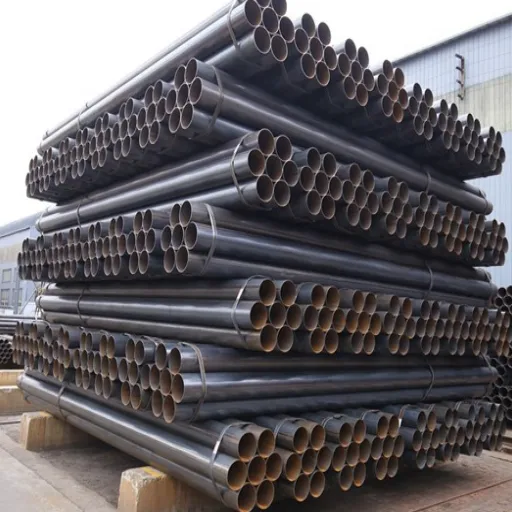
What is Black Steel Pipe?
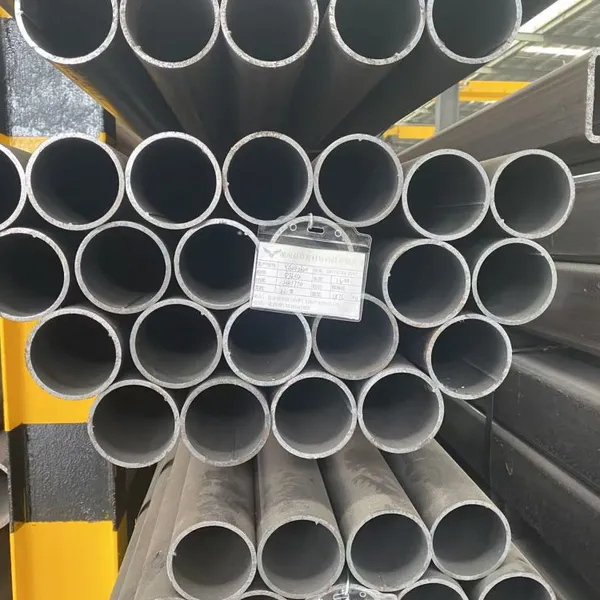
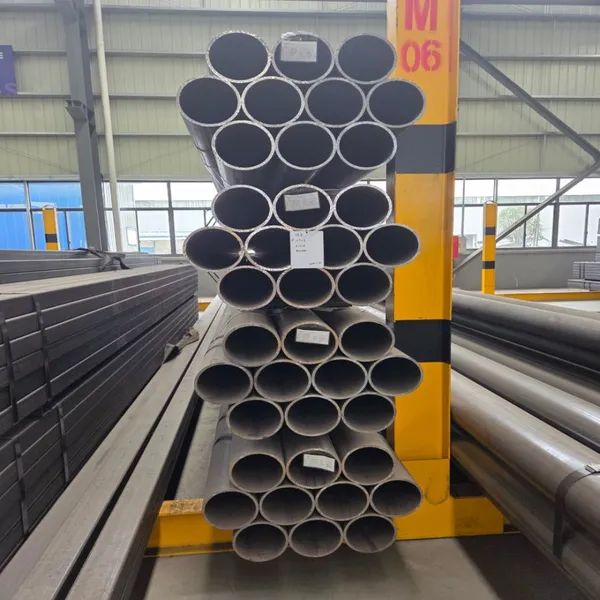
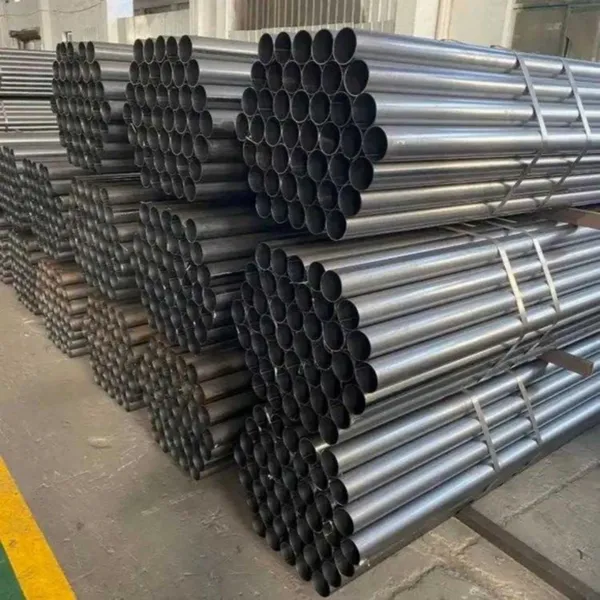
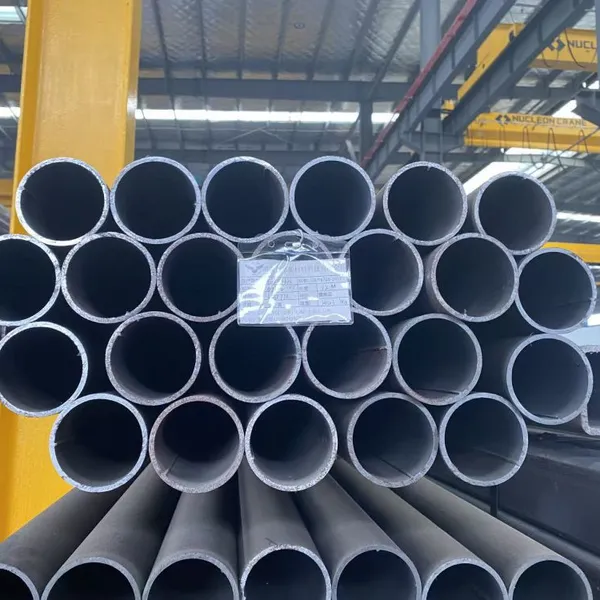
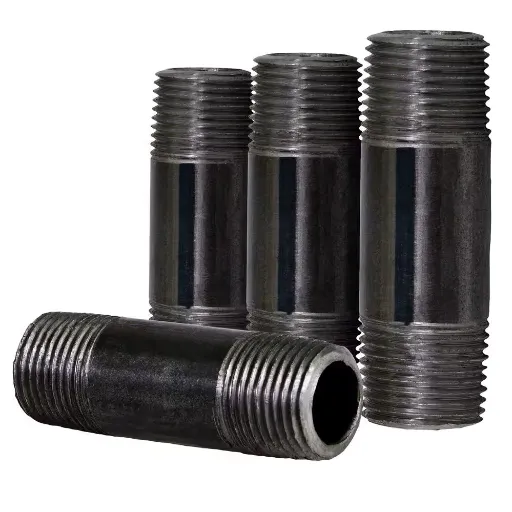
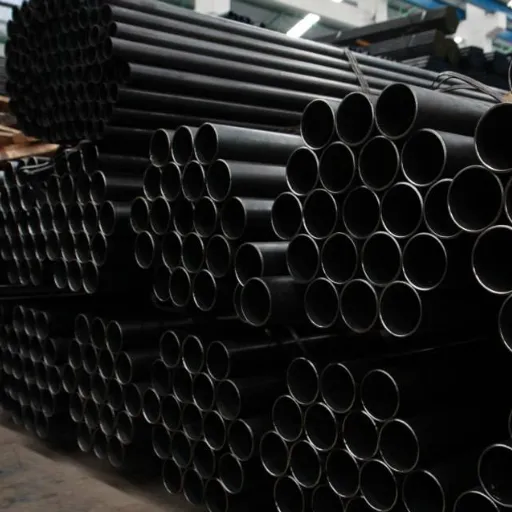
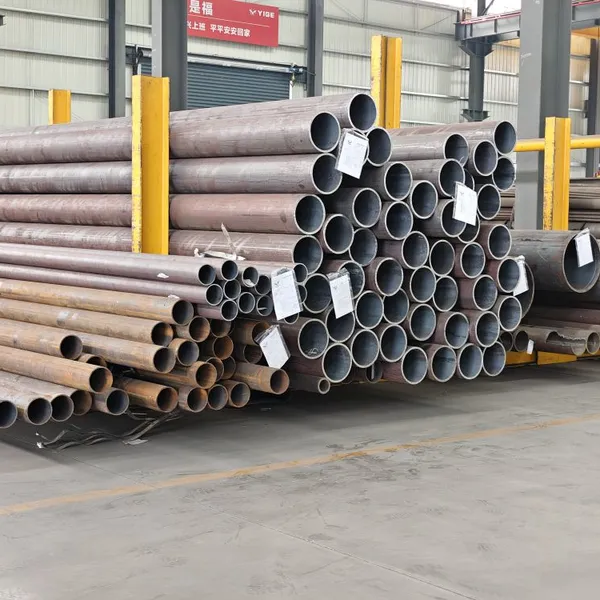
Black steel pipe, also known as black iron pipe, is made from un-galvanized steel. During the manufacturing process, a dark iron oxide scale forms on its surface, giving it its characteristic black finish. This coating provides a mild level of corrosion resistance, making it suitable for applications where it is not exposed to highly corrosive elements. Unlike galvanized pipe, it lacks a zinc coating, which means it is more susceptible to rust when exposed to water.
Key Characteristics of Black Steel Pipe
Black steel pipe is valued for several key attributes that make it suitable for demanding environments.
Strength and Durability: Steel is inherently strong and can withstand high pressure and temperature. This makes black steel pipe a reliable choice for transporting gases and liquids under pressure. Its structural integrity ensures it can handle the physical stresses of construction and industrial settings without failing.
Fire Resistance: Black steel pipe has a high melting point, making it highly resistant to fire. This property is critical for safety in applications like natural gas lines and fire sprinkler systems, where maintaining integrity during a fire is paramount.
Cost-Effectiveness: Compared to other materials like copper or stainless steel, black steel pipe is relatively inexpensive. Its affordability, combined with its long service life, provides excellent long-term value for a wide range of projects.
Versatility: The pipe is available in various sizes and schedules, with Schedule 40 being one of the most common. This versatility allows it to be used in numerous applications, from residential gas lines to large-scale industrial piping systems.
Ease of Installation: While it requires specialized tools for cutting and threading, black steel pipe is straightforward to install for experienced professionals. The use of threaded fittings allows for secure, leak-proof connections.
Types of Black Steel Pipe and Their Uses
Black steel pipe is available in different types, primarily distinguished by their manufacturing process: seamless and welded (ERW).
Seamless Black Steel Pipe: This type is manufactured by extruding a solid steel billet over a piercing rod to create a hollow tube. The absence of a welded seam gives it superior strength and pressure-handling capabilities. Seamless pipes are often specified for high-pressure and high-temperature applications where reliability is critical, such as in oil and gas pipelines and power generation plants.
Welded (ERW) Black Steel Pipe: Electric Resistance Welded (ERW) pipe is made by rolling a steel strip into a tube and longitudinally welding the seam. Modern welding techniques have made ERW pipes highly reliable and suitable for many applications. They are generally more cost-effective than seamless pipes and are commonly used for transporting water, gas, and oil at lower pressures.
Applications of Schedule 40 Black Steel Pipe
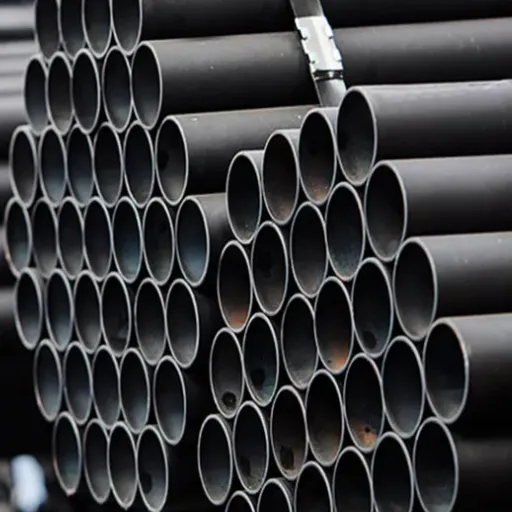
Industrial Applications of Schedule 40 Black Steel Pipe
In industrial environments, Schedule 40 black steel pipe is a workhorse material used for:
Oil and Gas Transportation: It is widely used for transporting natural gas and oil from extraction sites to refineries and distribution centers. Its strength and pressure resistance are ideal for this purpose.
Chemical Processing Plants: The pipe is used to carry various chemicals and process fluids, although its suitability depends on the corrosiveness of the substances.
Power Generation: In power plants, it transports steam and water for cooling systems and other processes.
Manufacturing Facilities: It serves as piping for compressed air lines, hydraulic systems, and other utilities necessary for manufacturing operations.
Construction Uses of Black Pipe
In construction projects, Schedule 40 black steel pipe is used for several critical applications:
Natural Gas and Propane Lines: This is one of the most common uses in residential and commercial buildings. Its fire resistance and leak-proof connections make it a safe choice for distributing flammable gases.
Fire Sprinkler Systems: Due to its ability to withstand high heat, black steel pipe is a standard material for fire sprinkler systems, ensuring water can be delivered to suppress fires effectively.
Water Distribution: While not recommended for potable (drinking) water due to its tendency to rust, it is often used for non-potable water systems, such as in heating and cooling systems (hydronic heating).
Structural Elements: In some cases, black steel pipes are used for structural purposes, such as handrails, support columns, and scaffolding, thanks to their strength and rigidity.
Comparative Analysis with Other Pipe Materials
When choosing a pipe material, it's important to compare black steel pipe with alternatives like galvanized steel, copper, and PVC.
Black Steel vs. Galvanized Steel: Galvanized steel pipe is coated with a layer of zinc to provide enhanced corrosion resistance. This makes it suitable for carrying potable water, whereas black steel pipe is not. However, the zinc coating on galvanized pipe can flake off over time and clog pipes, and it is not recommended for gas lines because these flakes can clog regulators and burners.
Black Steel vs. Copper: Copper pipe is highly resistant to corrosion and is the standard for potable water lines in many regions. It is more flexible and lighter than steel but also significantly more expensive. Copper is not as strong as steel and cannot handle the same high pressures.
Black Steel vs. PVC/CPVC: PVC (polyvinyl chloride) and CPVC (chlorinated polyvinyl chloride) are plastic pipes that are lightweight, inexpensive, and easy to install. They are completely resistant to corrosion, making them ideal for water and drainage applications. However, plastic pipes lack the strength and fire resistance of steel and are not suitable for high-pressure or high-temperature applications or for transporting flammable gases.
Pricing and Supply of Black Steel Pipe
Factors Affecting the Price of Black Steel Pipe
Several factors determine the price of black steel pipe:
Raw Material Costs: The global market price of steel is the most significant factor. Fluctuations in steel prices directly impact the cost of the pipe.
Manufacturing Process: Seamless pipes are generally more expensive than welded (ERW) pipes due to the more complex manufacturing process.
Size and Schedule: Larger diameter pipes and those with thicker walls (higher schedules) require more material and are therefore more expensive.
Supply and Demand: Market dynamics, including construction activity and industrial demand, can affect pricing and availability.
Tariffs and Trade Policies: Import tariffs on steel can increase the cost of black steel pipe, particularly if sourced from other countries.
Finding Reliable Suppliers for Black Iron Pipes
Finding a dependable supplier is crucial for ensuring you receive high-quality materials on time.
Look for established suppliers with a strong reputation in the industry.
Verify that the supplier's products meet industry standards, such as those set by ASTM International.
Consider suppliers who offer a wide range of sizes and fittings to meet all your project needs.
Read customer reviews and ask for references to gauge a supplier's reliability and service quality.
Cost Comparison: Schedule 40 Black Steel vs. Alternatives
Schedule 40 Black Steel: Generally the most affordable option among metal pipes for pressure applications.
Galvanized Steel: Slightly more expensive than black steel due to the zinc coating process.
Copper: Significantly more expensive, often several times the price of black steel pipe.
PVC/CPVC: Typically less expensive than black steel pipe, but not suitable for the same applications.
Technical Considerations in Selecting Black Steel Pipe
Understanding Pipe Sizes and Diameters
Pipe sizes are specified by their Nominal Pipe Size (NPS) and schedule.
NPS: This is a North American standard set of sizes for pipes used for high or low pressures and temperatures. The NPS refers to the pipe's internal diameter, but only loosely. For NPS ⅛ to 12, the NPS and the outside diameter (OD) are different. For NPS 14 and up, the NPS and OD are the same.
Schedule (SCH): This indicates the wall thickness of the pipe. A higher schedule number means a thicker wall. Schedule 40 is a standard thickness, while Schedule 80 has a thicker wall and can handle higher pressures.
Corrosion Resistance and Coating Options
While the native iron oxide scale offers some protection, black steel pipe is prone to rusting, especially when exposed to moisture.
For applications where corrosion is a concern, additional coatings can be applied, such as paint or epoxy.
It is critical to avoid using black steel pipe for potable water lines, as rust can contaminate the water and reduce flow over time.
Fittings and Accessories for Black Steel Pipe
A wide variety of fittings are available to connect black steel pipes and direct the flow of fluids.
Common fittings include elbows, tees, couplings, reducers, and caps.
These fittings are typically made from malleable iron or steel and are connected to the pipe using threaded joints. A pipe sealant or tape is used on the threads to ensure a leak-proof seal.
Recently Posted
-
How High Quality Seamless Rectangular Steel Pipe Enhances Structural Durability and Strength
December 18, 2025In the realm of structural engineering and industrial manufacturing, material selection dictates the longevity, safety, and effici Read More
 -
Advantages of Using High Quality Seamless Rectangular Steel Pipe in Structural Projects
December 17, 2025In modern engineering and construction, the choice of materials dictates the longevity, safety, and efficiency of a project. Among Read More
 -
Key Features of the Best Seamless Square Steel Pipe for Durability and Strength
December 16, 2025In structural engineering, heavy manufacturing, and critical infrastructure, the integrity of materials is non-negotiable. Among t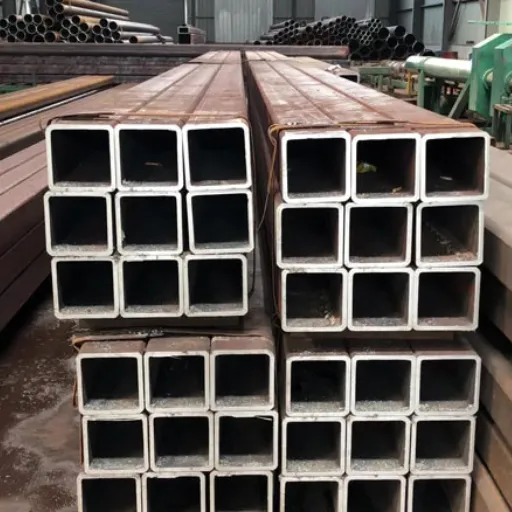 Read More
 -
How New Welded Round Steel Pipe Revolutionizes Piping Systems Across Industries
December 15, 2025The integrity of industrial infrastructure relies heavily on the quality of its foundational components. From high-rise constructi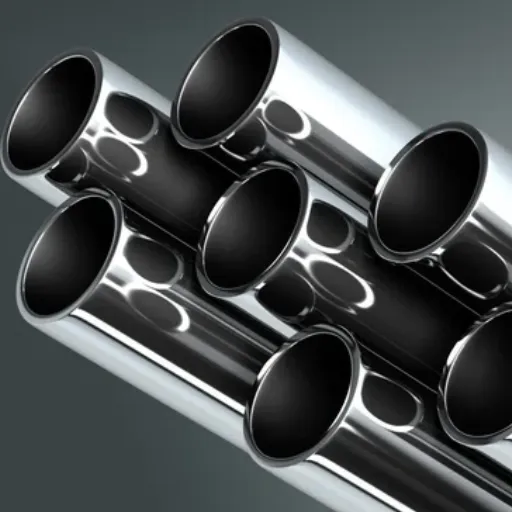 Read More

Contact Us
Recommended Products
-
 China Supplier QSTE600TM Welded Square Pipe Round Cold Bending Carbon Steel TubeNegotiableMOQ: 1 Ton
 -
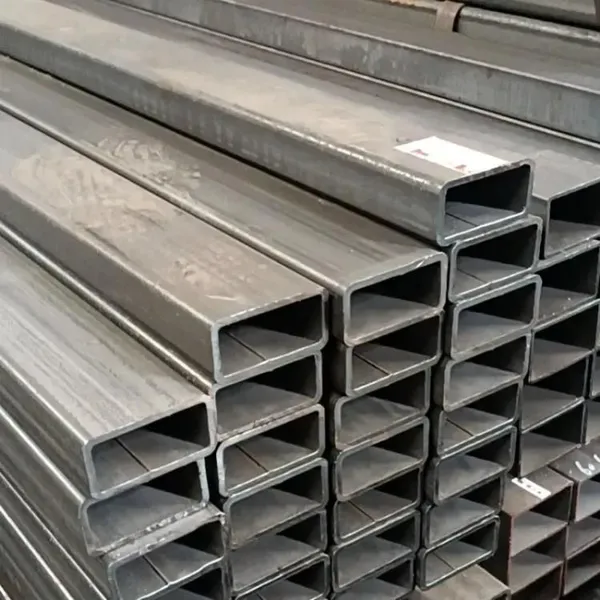
Buy Discount Carbon Steel Rectangular Tubing Cold Drawn Rectangular Seamless TubesNegotiableMOQ: 1 Ton
-
Agricultural Machinery Square Steel Tube Hollow Seamless Pipe Made in ChinaNegotiableMOQ: 1 Ton
-
Low Price Steel Pipes Welded Square Tube Square Hollow Cold Bending China SupplierNegotiableMOQ: 1 Ton
-
Post Weld Heat Treatment Special Shape Steel Pipe Cold Drawn Welded Seamless TubeNegotiableMOQ: 1 Ton
-
Mild Steel Welded Square Tube Mild Carbon Welded Customized Round Welded TubesNegotiableMOQ: 1 Ton
-
China Factory Supply QSTE500TM Welded Square Pipe Seamless Rectangular TubesNegotiableMOQ: 1 Ton
-
China Supplier QSTE700TM Welded Square Pipe Round Cold Bending Carbon Steel TubeNegotiableMOQ: 1 Ton
-
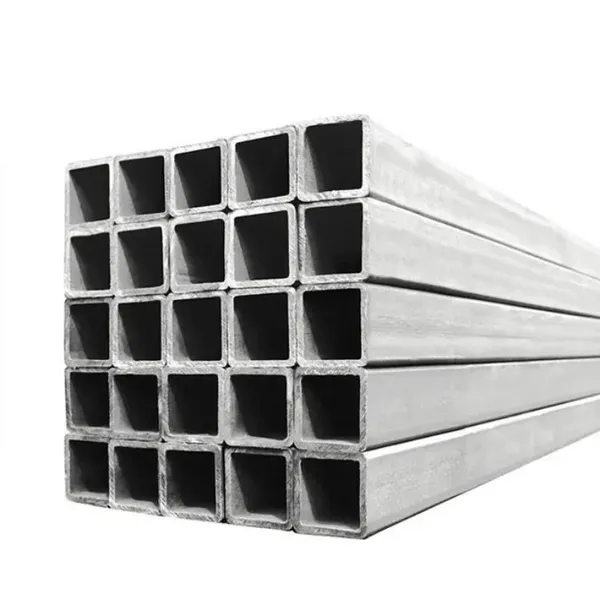
1.5*1.5 Inch CHS SHS RHS Hollow Section Pre Galvanized Square GI Tube Rectangular Steel GI Round PipesNegotiableMOQ: 1 Ton
-
Welded Square Steel Tube Cold Bending Seamless Steel Round Pipe Free SampleNegotiableMOQ: 1 Ton
-
Hot Sale Free Mold Customized Size Square Tube Hollow Section Welded Steel PipeNegotiableMOQ: 1 Ton
-
Hollow Section SCH80 Square Steel Pipe Seamless Rectangular Steel Pipes From ChinaNegotiableMOQ: 1 Ton
-
Agricultural Machinery Cab Structural Tube Steel PipeNegotiableMOQ: 1 Ton
-
High Performance Seamless Curved Steel Pipe With Mill Test ReportNegotiableMOQ: 1 Ton
-
High Strength Seamless Carbon Steel Pipe With Mill Test CertificateNegotiableMOQ: 1 Ton
-
ASTM A500 Grade B/C Black Annealed Welded Carbon Steel Tube - Round Square Rectangle for ScaffoldingNegotiableMOQ: 1 Ton
-
Stainless Steel Handrail Tube - Custom 202/304/316 Welded Round Pipe for BalustradesNegotiableMOQ: 1 Ton
-
20mm Diameter Stainless Steel Pipe - Custom 201/304/316 Welded/Seamless Round TubeNegotiableMOQ: 1 Ton
-
316/316L Stainless Steel Pipe - Custom Welded/Seamless Round Tube for Hydraulic SystemsNegotiableMOQ: 1 Ton
-
Custom Stainless Steel Decorative Tube - 304/316L Mirror Brushed No.4/8K Round Square Rectangular for RailingsNegotiableMOQ: 1 Ton